What is piping? Everything about industrial piping
Piping or industrial piping system is a set of engineered components and equipment used to transport, distribute and control fluids. This system includes pipes, fittings, valves, measuring instruments and supporting structures and plays an important role in the safe, stable and efficient operation of industrial units. Piping is not only the technical infrastructure of many industries such as oil, gas, petrochemical, power plants and manufacturing plants, but its proper design and implementation is of particular importance in terms of safety, economy and operational efficiency.
In various industries, industrial piping systems are considered the backbone of fluid transmission lines and play a key role in the safe movement of various liquids, gases and chemical compounds. The precise and engineered design of this system is very important and must be carried out by experienced and qualified specialists. The components of an industrial piping system include pipes, fittings, valves, etc. In this article, we intend to explain what piping is and how it is designed and implemented. In addition, we will examine its components, the types of systems used, design requirements and its application areas.
What is meant by piping operations?
Piping, or industrial piping, refers to an integrated and engineered set of pipes and fittings that are used to accurately and safely transport, distribute, separate, measure, mix, discharge, and control a variety of fluids and solids that can be transported through pipes in various industries. These integrated systems are used in various industries and play a vital role in the safe movement of various materials and substances used in various industries. In the next section, we will introduce the components of an industrial piping system.
Introduction to piping components
An efficient piping system consists of several components, each of which plays an important role in the overall performance of the system, and their proper integration and connection ensure the safe transfer of materials. The main components that make up the piping system (industrial piping) are:
- Pipes: Pipes, as the most basic component in a piping system, are responsible for guiding and transporting fluids along the piping route. The selection of material, nominal diameter, wall thickness, and method of construction of pipes is a direct function of factors such as the type of fluid being passed, the pressure level, the operating temperature of the system, corrosion considerations, and the budget allocated to the project.
- Fittings: Fittings play a crucial role in the flow of materials through a piping system. Some of the most common fittings used in industrial piping include:
- Elbow; to change the direction of flow
- Reducer; for changing the diameter of pipes
- Tee or four-way; to create branches in pipes
- Caps: To block pipes
- Couplings and flanges; to connect different system components together
- And…
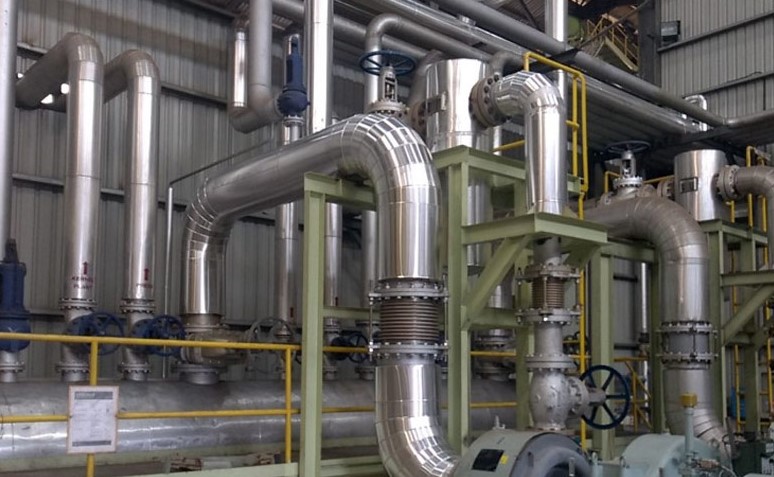
These connections are also divided into several categories based on their connection mechanism. Thus, it can be said:
Types of connections based on the connection mechanism include:
- Welded joints; a permanent and durable connection
- Threaded connections; suitable for cases where pressure is low and pipe diameters are small.
- Socket Weld Connections; Strong, Leak-Free Connection
- Valves: You must know what the main role of valves is in the piping system! These types of connections act as control elements in the piping system and are responsible for regulating, cutting off, and connecting the flow of fluid. The types of valves based on their function in the industrial piping system are:
- One-way valves to prevent backflow
- Pressure reducing valves for regulating pressure
- Gate valves, for completely shutting off and connecting the flow of the item
- Ball valves, for controlling flow by rotating a ball with a passageway
- Butterfly valves, for regulating flow using a rotating disc
- Ball valves, for precise flow regulation
- Supports and retainers: Piping systems require appropriate supports and retainers due to the weight of the pipes, the fluid inside them, and the forces resulting from thermal expansion and contraction. Supports and retainers are responsible for maintaining the stability of the system, preventing unwanted vibrations and movements, bearing the weight of pipes and equipment, and absorbing thermal stresses. The correct design and selection of supports and retainers is of particular importance to ensure that there is no damage to the pipes and equipment and to maintain the safety of the system. Various types of supports used in piping systems include:
- Rigid supports
- Spring supports
- Pendants
- Dampers
Each of which is used based on the needs of the system.
What are the principles of industrial piping system design?
Designing an efficient and safe piping system requires engineering and specialized knowledge, experience, and consideration of numerous factors. In fact, the accurate and principled design of an industrial piping system requires consideration of several important and key factors, including:
- Fluid Type: Accurately understanding the physical and chemical properties of the fluid being passed is the first and most important step in the process of designing an industrial piping system, as these properties directly affect the selection of materials, types of fittings and valves, and safety considerations. For example, things like viscosity, density, corrosiveness, toxicity, flammability, and so on need to be considered before designing the system. Pressure and temperature: Accurately determining the maximum operating pressure and temperature of the system, as well as possible pressures, is essential in order to correctly select the thickness of the pipes, the class of fittings and valves, and to ensure the strength and safety of the system.
- Piping route: Optimal design of the piping route is of great importance, considering the location of equipment, existing obstacles, ease of access for maintenance and repair, and reducing pressure drop due to the length of the route and bends.
- Standards and regulations: Compliance with international and national standards related to piping (such as the EN, API, ASTM, ANSI, etc. series of standards) as well as safety and environmental regulations is inevitable in order to ensure safe, efficient design and compliance with legal requirements.
- Pressure drop: Accurate calculations of pressure drop along the piping route are important for the correct selection of pumps and compressors and ensuring that the fluid reaches the points of consumption at the appropriate pressure.
- Stress calculation and flexibility analysis: In high-temperature and high-pressure systems, it is essential to analyze stresses caused by thermal expansion and contraction and design the system in such a way that these stresses are properly controlled and damage to pipes and equipment is prevented.
- Safety: It is of particular importance to consider safety considerations at all stages of design, including the selection of corrosion- and leak-resistant materials, the design of emergency evacuation systems, the appropriate placement of safety valves, and the observance of safety distances between all equipment.
- Cost: Considering the initial costs of equipment procurement, installation, as well as operation and maintenance costs over the useful life of the system are also important factors in the piping system design process.
- Easy maintenance: The design should be such that the system operates with minimal failure over time and that it can be easily repaired and maintained in the event of a defect.
- Environmental considerations: The design should be done taking into account the principles of environmental protection. For example, solutions should be considered to prevent the leakage of hazardous materials, optimize energy consumption, and the like.
Introduction to types of piping systems (industrial piping)
Piping systems in different industries are designed and implemented with various purposes and applications and have their own structure and characteristics depending on the type of process, the nature of the fluids and the operating conditions. Piping system design is carried out by considering technical requirements and safety precautions in such a way that they meet the complex needs of industrial units in the transfer, distribution and control of materials and fluids. Accurate understanding of the types of industrial piping systems is an essential step in the effective design and optimal operation of industrial infrastructure. Accordingly, we have listed the types of piping and the way each one functions and is used.
- Process piping: As the name suggests, this type of piping is used in process units such as oil and gas refineries, and chemical and petrochemical industries to transport raw materials, intermediate and final products at various temperatures and pressures. Safety and reliability are of high priority in these systems.
- Power plant piping: In power plants, these systems are used to transport high-temperature and high-pressure steam to turbines, boiler feedwater, and cooling water. These systems must be designed to withstand very high temperatures and pressures.
- Building Piping: Building piping is related to water and sewage facilities, heating and cooling systems, and fire extinguishing systems in residential, commercial, and industrial buildings. Transmission Piping: Transmission piping systems are used to transport materials (such as crude oil, natural gas, water, and petrochemical products) over long distances between cities, countries, or even continents. The design and construction of these pipelines requires compliance with specific standards and special safety and environmental considerations.
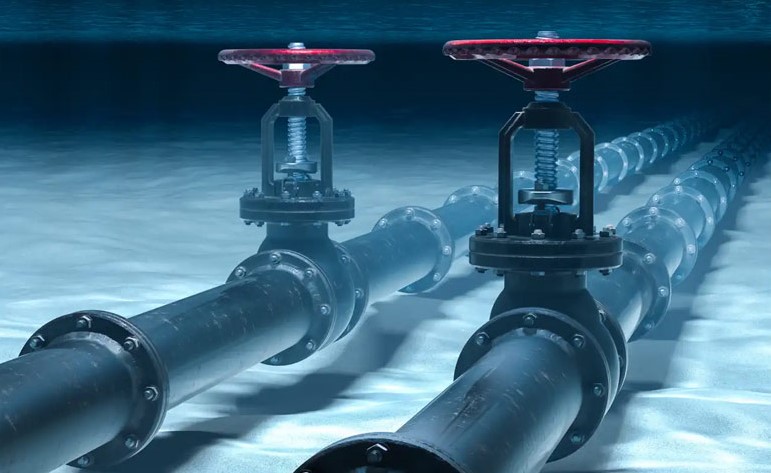
- Marine Piping: On ships, offshore oil platforms and other marine structures, piping systems are used to transport fuel, fresh water, seawater, oil, chemicals and wastewater. These systems must be designed in a way that they can withstand harsh marine conditions.
- Sanitary Piping: In the food, pharmaceutical and cosmetic industries, piping systems are designed and manufactured to transport raw materials and finished products in compliance with the highest sanitary standards and to prevent their mixing with any contaminants. Generally, stainless steel with a special surface finish is used in the design of these types of systems.
Next, we will discuss and examine the types of pipes used in piping systems.
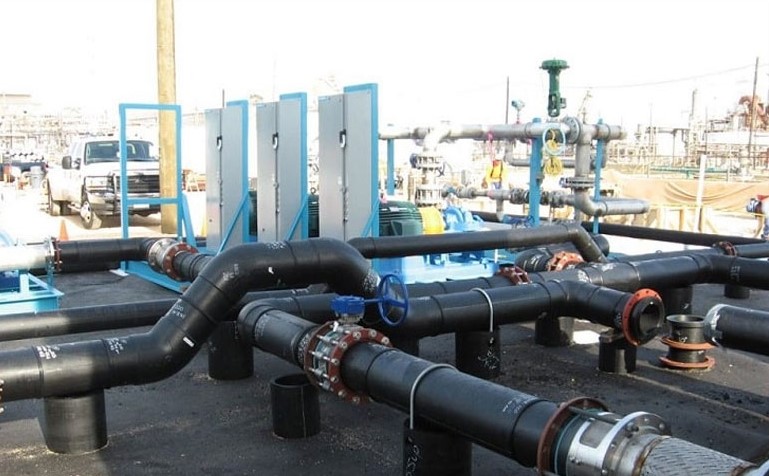
What types of pipes are used in piping systems?
The choice of pipe type in the design of piping systems not only affects the performance and safety of processes, but also plays a decisive role in productivity, durability and operating costs. Several factors such as the type of fluid, operating pressure and temperature, environmental conditions and technical standards are effective in determining the specifications of the pipes used in industrial piping systems. In the following, we will examine the types of pipes used in piping in terms of pipe material.
- Carbon steel: An economical and widely used choice for non-corrosive fluids at moderate to high temperatures and pressures. Various types of carbon steel with different mechanical properties are used for this purpose. Stainless steel: Due to its very high resistance to corrosion, stainless steel is very suitable for transporting corrosive fluids, food and pharmaceuticals, and in humid environments where the risk of steel damage and corrosion is high.
- Alloy steels: Alloy steel pipes are mostly used for special applications with very high temperatures and pressures or fluids with severe corrosive properties.
- Polyethylene: Polyethylene is a lightweight polymer material that is resistant to corrosion and chemicals and has high flexibility. It is suitable for use in water supply, sewage, and low-pressure gas transmission systems.
- Polypropylene: Polypropylene has higher chemical resistance to acids and bases than polyethylene, and also has good resistance to high temperatures. This type of pipe is used in the chemical and laboratory industries. Copper: Copper is used in air conditioning systems and drinking water piping due to its high thermal and electrical conductivity and corrosion resistance.
The items mentioned are among the most common types of pipes that are used in a variety of industrial piping systems, taking into account the type of application and method of operation, the type of fluid, and other such things.
What are the types of piping pipes based on their manufacturing method?
The method of manufacturing the pipes also affects their mechanical properties and applications:
- Seamless Pipes: These pipes are produced from a solid steel billet through extrusion or hot and cold rolling processes and do not have any welded seams. Due to their integrated structure, these pipes have higher resistance to pressure and temperature and are suitable for sensitive applications in the oil and gas, petrochemical and power plant industries.
- Welded Pipes: These pipes are produced by bending and welding steel sheets. There is a weld seam in these pipes, but with the advancement of welding technology, high-quality and strong welded pipes are produced for many applications, including the transportation of water, gas and chemicals at medium pressure and temperature. There are various types of welding methods for producing welded pipes (such as electric resistance welding – ERW, gas shielded arc welding – GMAW/GTAW and submerged arc welding – SAW). The choice of manufacturing method depends on the application, working pressure and temperature, and economic considerations.
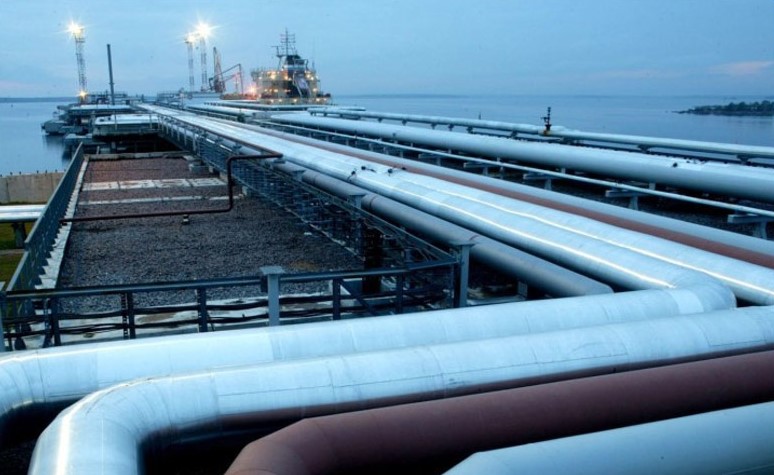
Stages of implementing piping projects
Piping system implementation is one of the critical steps in the commissioning and operation of industrial units, requiring high precision, technical knowledge and compliance with engineering standards. This process not only ensures the proper functioning of equipment and fluid transmission lines, but also has a direct impact on the safety, durability and overall efficiency of the industrial complex. Successful piping implementation requires careful coordination between design, equipment supply and field operations to create a reliable and sustainable system. In this section, we have introduced the steps of piping implementation.
- Engineering Design: Engineering design includes preparing detailed drawings, technical specifications of materials and equipment, calculations related to pressure, temperature, pressure drop and stress, and developing implementation and testing instructions. In this stage, specialized piping design software such as AutoCAD, etc. are also used.
- Procurement: Procurement includes the process of preparing and supplying pipes, fittings, valves, supports, and other equipment required for the project based on the technical design specifications.
Execution (construction and installation): This stage includes cutting pipes to the required lengths, preparing pipe edges for welding, assembling parts, installing supports and holders, and inspections during execution to ensure compliance with drawings and standards. - Testing and Commissioning: After installation is complete, the piping system undergoes various tests to ensure that there are no leaks and that it is functioning properly. Common tests include hydrostatic testing and pneumatic testing.
Finally, if the test results are successful, final inspections are performed and the system is prepared for commissioning and operation.
Final words: Introduction to the piping process and introduction to types of industrial piping systems
Piping, as one of the fundamental pillars of various industries, plays a vital role in the safe, efficient and sustainable transfer of fluids. A deep understanding of the components, design, types and standards related to piping systems is essential and inevitable for engineers, technicians and professionals active in this field. With the increasing advancement of technology and the changing needs of industries, the importance of piping in ensuring the optimal and safe performance of industrial processes in the future will become more and more apparent. Considering the points mentioned in this article, construction methods and installation and maintenance techniques will play a significant role in improving the efficiency and reducing the costs associated with piping systems.