
Performing all the sivil and construction work
Processes and importance in oil and gas projects
Civil and construction works in oil and gas projects are one of the essential steps to prepare the necessary infrastructure for the launch of projects. These works include the design and construction of various structures such as roads, walls, tanks, docks, platforms and other structures required to support the operational activities of oil and gas projects.
The importance of carrying out civil and construction work in projects:
1. Infrastructure Preparation: Civil and construction works play a critical role in preparing a project for the start of oil and gas operations. This infrastructure must be designed and constructed in a way that supports the safety and efficiency of the project in the long term.
2. Project Sustainability and Safety: Civil structures, as vital parts of oil and gas projects, must have high resistance to harsh environmental conditions. These structures must be designed to withstand natural forces, changes in temperature, pressure and humidity.
3. Cost and Time Reduction: Accurate execution of civil and construction works can help reduce long-term costs and construction time of projects. With optimal design and selection of appropriate materials, projects can be completed effectively.
Steps for performing civil and construction works:
1. Preliminary studies and design: The first step in civil and construction works is to conduct geological, geographical and environmental studies. This information helps engineers to make accurate designs that are appropriate to local conditions. Preliminary designs include infrastructure such as roads, bridges, retaining structures and pipeline routes.
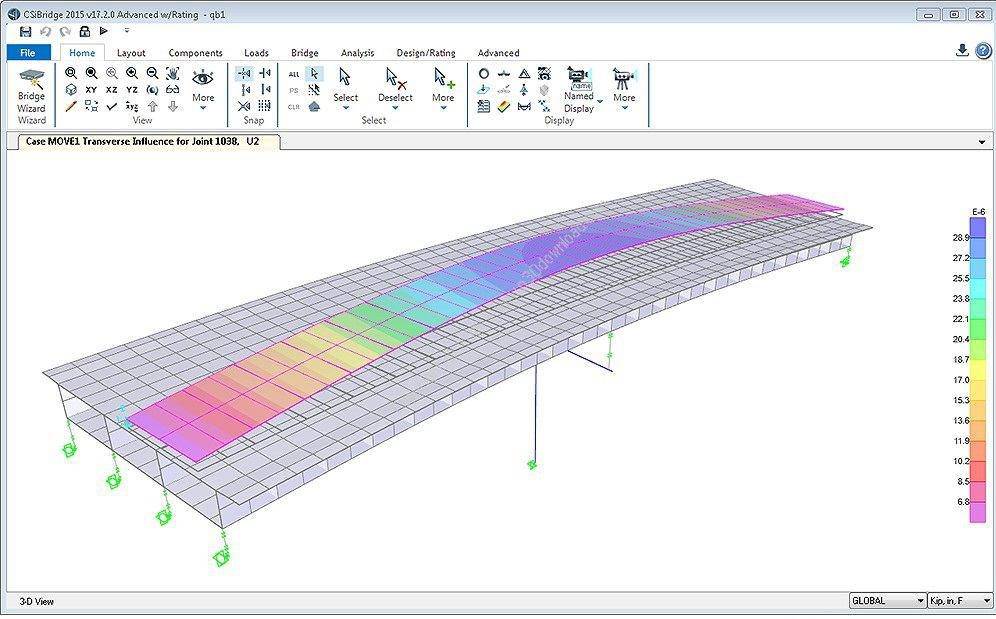
2. Project Site Preparation: Before construction begins, the project site must be prepared. This process includes clearing the area, removing soil, leveling the ground, and installing temporary utilities such as water, electricity, and sewage systems.
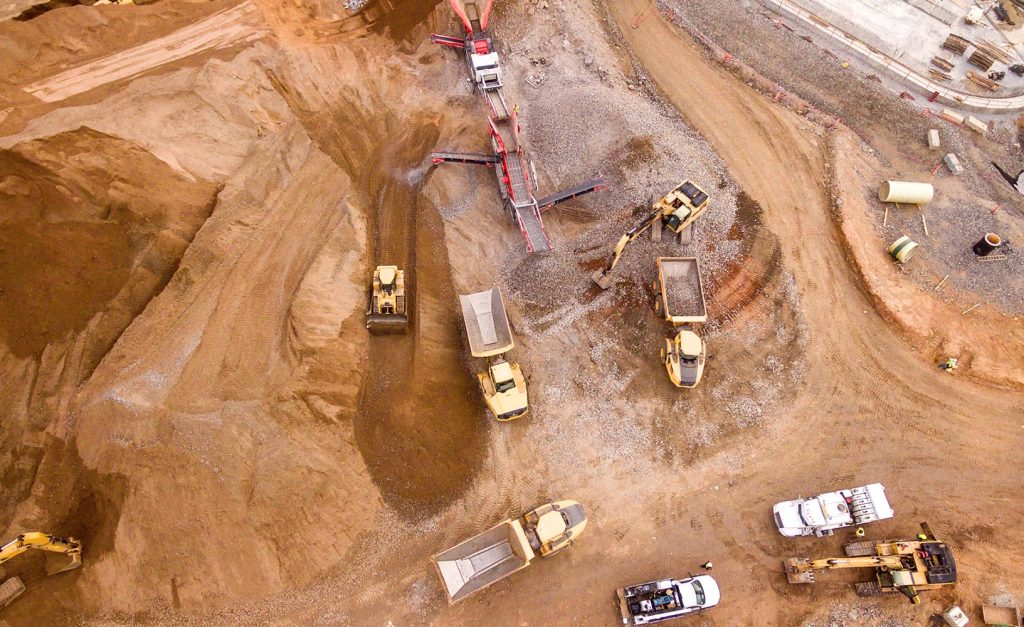
3. Construction of Civil Structures: After site preparation, the construction phase begins. This phase includes excavation, foundation, construction of walls, bridges, roads, and platforms. Construction must be carried out in accordance with engineering standards and using quality materials.
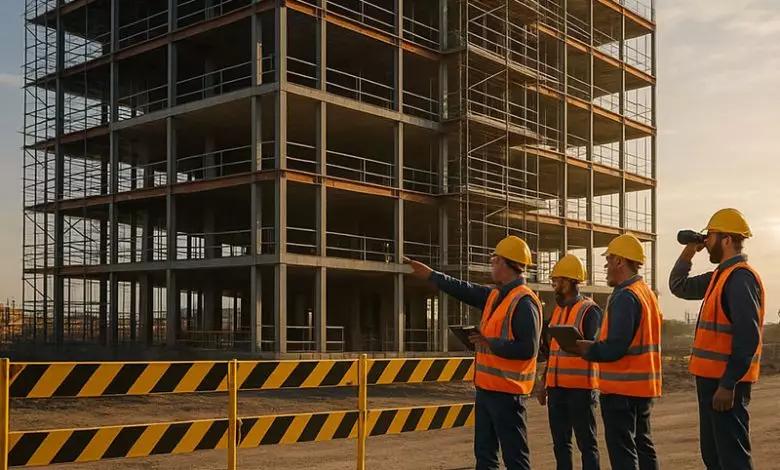
4. Quality Monitoring and Control: Continuous monitoring of the construction and implementation stages of projects is of great importance. Engineering teams must constantly monitor the quality of work and ensure that construction complies with designs and standards.
Challenges and solutions in carrying out civil and construction work:
1. Environmental conditions: Harsh environmental conditions such as remote, maritime or difficult-to-reach areas can pose many challenges for construction. In these cases, the use of special equipment and technologies, as well as careful planning for resource and human resource management, is essential.
2. Worker safety: Since civil and construction projects involve working with heavy equipment, construction materials and operations at height, worker safety is a priority. Continuous employee training and the use of appropriate safety equipment are of particular importance.
3. Sustainability and environmental protection: Civil works must be carried out with due regard to environmental issues and environmental standards. Protecting natural resources and reducing environmental pollution are requirements at this stage of projects.
Conclusion:
Civil and construction works in oil and gas projects are one of the critical stages for the success of the project. This process includes various stages of design, construction and supervision that must be carried out with high precision and compliance with engineering standards. Considering the various challenges, the use of advanced technologies, the employment of expert teams and compliance with safety principles can increase efficiency, reduce costs and ensure the success of oil and gas projects.