Commissioning and operation of projects in complex industries such as oil and gas, after the construction and installation phase, is recognized as one of the key and critical stages in the completion of projects. This stage is directly related to the final performance and efficiency of the project over different time periods. In this article, the different stages of this process, their importance and the challenges involved are examined.
The importance of launching and operating projects:
1. Thorough performance evaluation: During the commissioning phase, all systems and equipment must undergo various tests to verify their proper operation under real-world conditions. These tests include pressure, temperature, and load tests to ensure the systems are capable.
2. Preparation for sustainable operation: Commissioning projects prepares systems and equipment for long-term operation. This phase includes training operational personnel, preparing operation and maintenance manuals, and establishing monitoring systems to monitor equipment status.
3. Ensuring safety and reducing risks: Proper commissioning of projects at this stage helps reduce the risks of equipment failure or accidents during operation. Identifying potential problems before operation can prevent serious accidents.
Steps for launching and assisting in the operation of projects:
1. Equipment Testing: Before starting operation, all equipment must undergo the necessary tests. These tests include checking the performance of mechanical, electrical, hydraulic, and control systems to ensure that all systems are ready for operation.
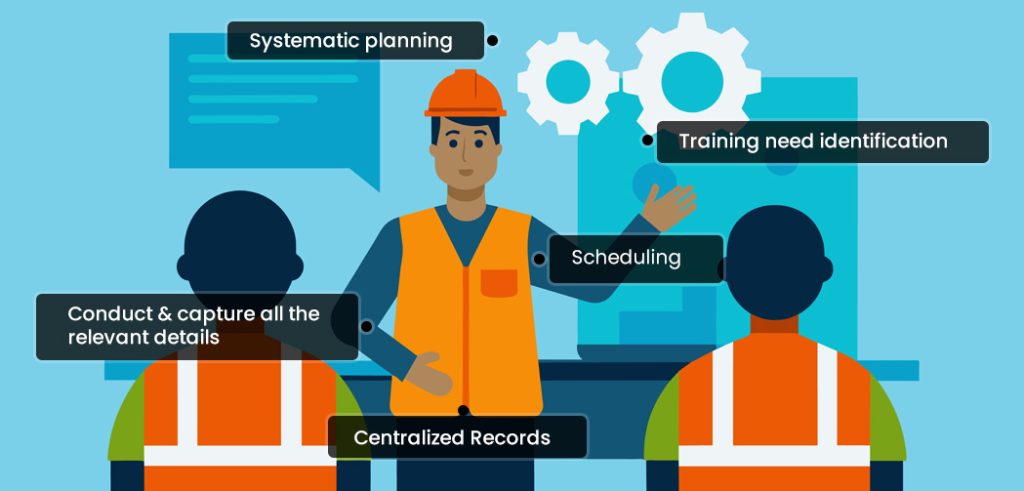
2. Training and preparation of personnel: One of the crucial steps in the start-up is training the personnel to operate the equipment correctly and safely. This training includes how to use the systems, crisis management, daily operations and equipment maintenance.
3. Documentation and preparation of instructions: For the proper operation of projects, it is essential to accurately document all process steps, including operating instructions, maintenance schedules, and possible breakdowns. This documentation helps the implementation teams to quickly reach appropriate solutions in case of problems.
4. Monitoring and evaluating performance: After commissioning, it is important to continuously monitor the performance of the project and evaluate the status of the systems. At this stage, monitoring and control systems are used to identify potential problems during operation.
Challenges and Solutions in Project Commissioning:
Timing and Coordination: Project commissioning requires careful coordination between different teams. Delays in any part of the process can lead to increased costs and project commissioning schedules.
Safety Risks: One of the most important challenges at this stage is ensuring the safety of projects. Any malfunction in the systems may cause unfortunate incidents, so the need for continuous monitoring and conducting various tests in order to identify problems in advance is mandatory.
Unforeseen Costs: Some costs may arise during commissioning and operation that were not initially anticipated. These costs can be related to repairs, minor changes in design, or increased testing time.
Conclusion:
Project commissioning and assistance in the operation of projects, especially in the oil and gas industry, play a fundamental role in the success of projects and the optimal performance of systems. By ensuring that equipment is functioning properly, properly training the implementation teams, and closely monitoring project performance, productivity, safety, and project longevity can be ensured. Ultimately, this phase of the project process will contribute to long-term success and reduce financial and safety risks.