
Preparing the Plan of workshop
Importance, steps and applications
Preparing a site plan is a fundamental step in engineering projects, especially in the oil and gas industry. These plans are of particular importance for better project planning and management, and help executive teams, consultants, and contractors to carry out operations accurately and in a coordinated manner.
A site plan generally specifies the designs and technical details of the exact locations of equipment, facilities, pipelines, wells, and other structures required for the project. These maps are usually divided into two main categories: topographic maps, which show the geographical location and condition of the land, and technical maps, which provide operational details such as dimensions, types of materials, and operational instructions.
Importance of workshop plan:
1. Project Coordination: Site plans allow all teams and individuals involved in the project to move without mistakes and based on accurate information. This reduces human errors and reduces costs.
2. Facilitates execution operations: Site plans help execution teams to carry out construction and installation operations effectively by showing the exact location of structures, equipment and pipelines.
3. Compliance with standards: In oil and gas projects, compliance with safety and environmental standards is essential. Site plans help ensure that all structures and equipment are installed correctly and in accordance with international requirements.
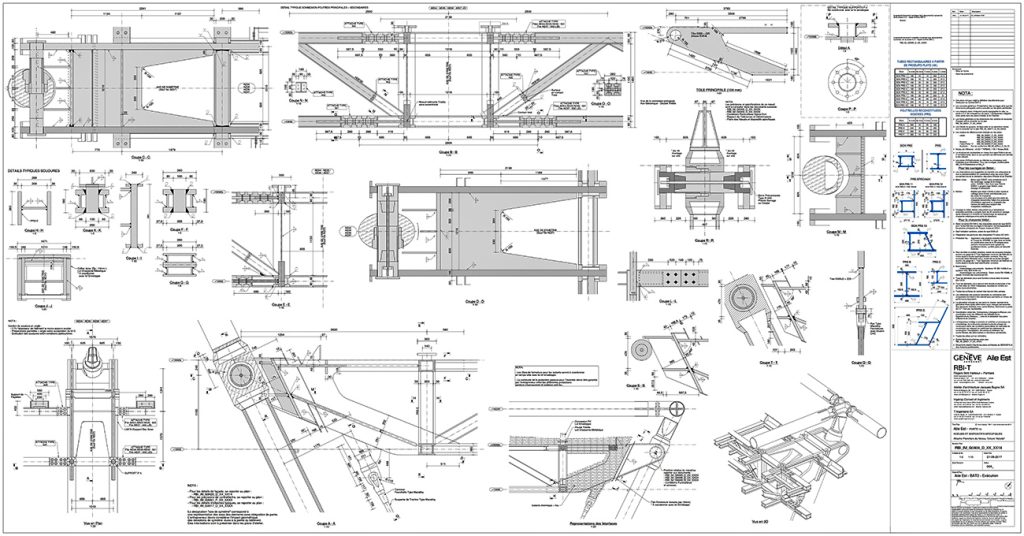
Steps to Prepare a Site Map:
1. Review and Analysis of Initial Information: Initially, all geographic, topographic, and technical data of the project is collected and reviewed. This information includes preliminary maps, soil reports, and geographic location.
2. Map Design: Preliminary maps are designed using engineering software such as AutoCAD, Building Information Modeling (BIM) software, or other design tools. These maps should accurately display all technical details.
3. Review and Approval: After the initial design, the maps must be reviewed and approved by engineers and consultants. These reviews usually include assessing the maps’ compliance with safety and performance standards.
4. Documentation and Publication: After final approval, the maps are published in the form of official documentation and made available to the implementation teams.
Conclusion:
Preparing a site map is a critical process for the success of oil and gas projects. These maps serve as a tool for coordinating various operations in projects and play a very important role in reducing operational errors and increasing safety. Given the complexities of oil and gas projects, preparing accurate and up-to-date maps can increase efficiency and reduce costs.